Choosing the Right Asphalt Contractor: Guide to Quality Pavement Solutions
Picking the right asphalt contractor is essential for achieving lasting pavement solutions. A skilled contractor not only provides durability but also complies with industry standards and safety regulations. Numerous factors contribute to this decision, from verifying credentials to reviewing estimates. Engaging in clear communication can greatly improve the selection process. However, understanding where to start can be daunting. Which steps should be prioritized to achieve a successful partnership?
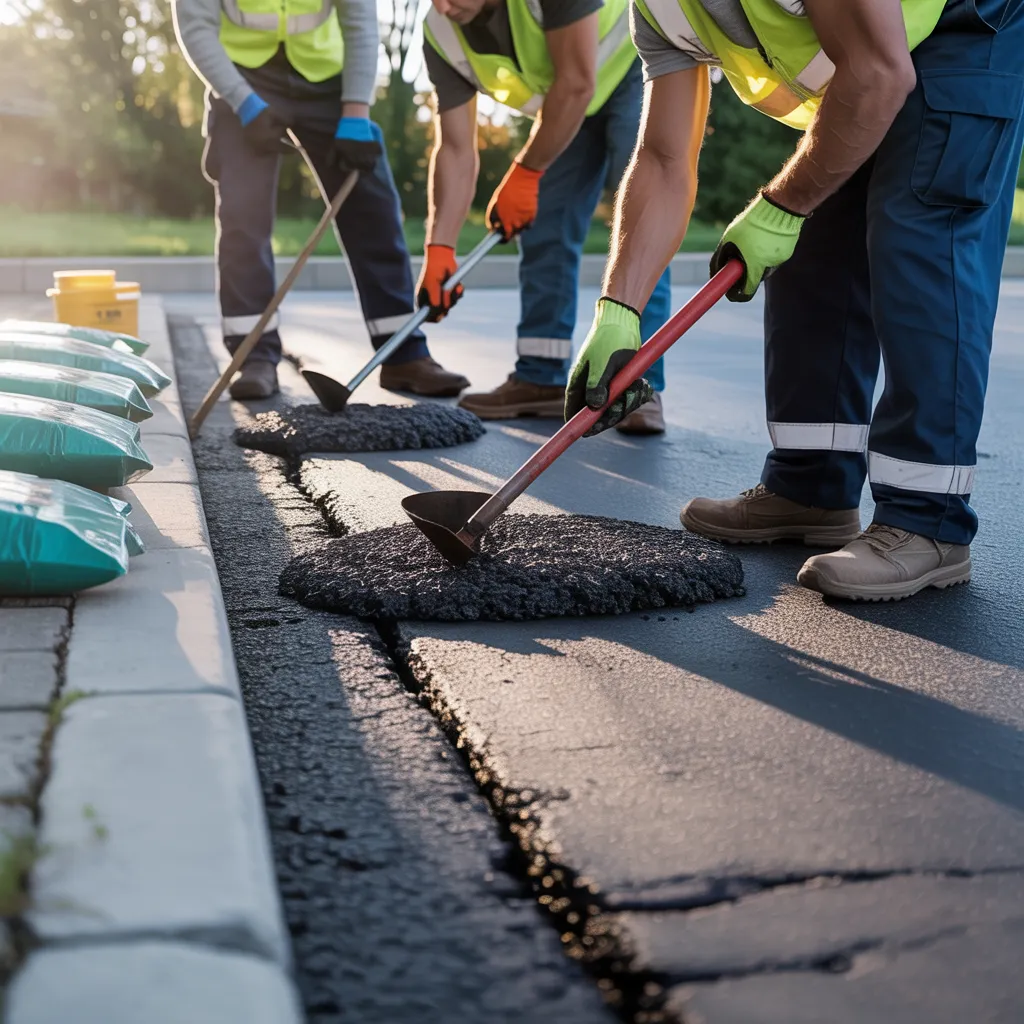
Understanding the Importance of Hiring a Quality Asphalt Contractor
When considering a paving project, recognizing the value of selecting a skilled asphalt contractor is essential. A professional contractor not only secures the proper installation of asphalt but also promotes the longevity and safety of the pavement. Superior materials and specialized techniques are fundamental in minimizing concerns such as cracking and surface breakdown. Additionally, an experienced contractor is likely to adhere to industry standards, supporting overall project efficiency.
Moreover, a reputable contractor will offer precise estimates and schedules, helping clients plan effectively. Their knowledge can also assist in selecting the right materials designed for unique environmental requirements. Beyond that, hiring a professional contractor can foster clearer communication across all project phases, reducing miscommunications. Ultimately, investing time in choosing the right asphalt contractor can yield considerable savings over time, guaranteeing a long-lasting and visually appealing pavement solution that meets the project's demands.
Key Traits of a Dependable Asphalt Contractor
A trustworthy asphalt essential resource contractor displays several important qualities that make them stand out in the industry. First, they carry extensive industry experience, which demonstrates their ability to oversee different projects with proficiency. This knowledge often translates into outstanding quality of work and a solid knowledge of materials and methods.
In addition, a reputable contractor prioritizes transparent communication, assuring that clients are kept in the loop throughout the entire project. They deliver comprehensive estimates, timelines, and are open to addressing any questions or concerns.
In addition, an emphasis on quality materials is essential; reliable contractors acquire superior-grade asphalt and complementary products to provide long-lasting results. They further observe safety standards and regulations, preserving both their personnel and the property of their clients.
Ultimately, an established standing, backed by positive reviews and testimonials, strongly suggests the reliability of a contractor. These qualities collectively help in making an informed choice when selecting the right asphalt contractor for paving solutions.
How to Identify Qualified Asphalt Contractors
Finding qualified asphalt contractors demands thorough assessment of their qualifications and expertise. It is essential to request references and evaluate their past work to ensure superior craftsmanship. By adhering to these guidelines, property owners can choose a contractor with confidence.
Check Credentials And Experience
Checking credentials and experience is crucial for choosing a skilled asphalt contractor. Prospective clients should begin by checking if the contractor holds the necessary licenses and certifications required by local and state regulations. This confirms that the contractor operates in accordance with industry standards and procedures. Moreover, assessing the contractor's involvement in diverse asphalt projects can shed light on their proficiency and trustworthiness. Contractors who have demonstrated consistent success in past projects are typically more capable of managing difficulties that might emerge during the work. Besides, requesting information about specialized certifications or continued professional development in asphalt technology can reflect a contractor's devotion to maintaining high work standards. Ultimately, careful verification supports making a knowledgeable decision, lowering the risks connected with paving projects.
Inquire About References
Once you have confirmed the contractor's credentials and experience, the subsequent step entails asking about client references. This critical process allows prospective customers to assess the contractor's trustworthiness and service quality. A credible asphalt contractor should willingly offer a list of former clients who can vouch for their services. It is wise to get in touch with these references to learn about their interactions, focusing on considerations such as timeliness, professionalism, and overall satisfaction. Raising detailed questions can generate meaningful feedback, helping to establish whether the contractor meets the project's needs. Moreover, examining online reviews and feedback can additionally guide the selection process. Conclusively, detailed client inquiries contribute to identifying a capable contractor for superior asphalt outcomes.
Assess Prior Projects
What is the best way to evaluate the abilities of an asphalt contractor? Reviewing past work is a critical part of this process. Prospective customers are encouraged to ask for a portfolio of finished projects, demonstrating the contractor's craftsmanship and dedication to quality. Examining a range of project types, from private driveways to large commercial lots, can provide insight into their versatility and experience. An on-site inspection of finished projects, where possible, enables a direct assessment of the pavement's condition and durability. Additionally, seeking client testimonials about the contractor's performance on past projects offers meaningful details about their consistency and overall professionalism. At the conclusion of this process, a detailed assessment of completed work enables a confident and informed hiring decision.
Key Questions to Ask Your Asphalt Contractor?
When hiring an asphalt professional, it is crucial to pose specific questions that highlight their background and competencies. Additionally, knowing the estimated timeline and expenses can help ensure the project matches expectations. Covering these important aspects can lead to a more informed decision and a more seamless paving process.
Expertise and Credentials
Picking an asphalt contractor requires careful consideration of their expertise and credentials. Potential clients should ask about the contractor's tenure in the field, as extensive experience often correlates with consistent quality results. Furthermore, learning about the types of projects previously completed can provide insight into the contractor's capabilities. It is also important to inquire about any credentials or specialized training the contractor or their crew has obtained, as these credentials can elevate the standard of work delivered. Seeking testimonials from former clients can additionally confirm the contractor's reliability and reputation. In the end, a contractor with a established record of completed projects and happy clients is more likely to offer top-tier asphalt results tailored to specific needs.
Project Schedule and Expenses
Understanding the project timeline and associated costs is essential for clients seeking asphalt services. To guarantee clarity, clients should request information on the projected timeframe of the project, including likely interruptions due to weather or material availability. Additionally, it is essential to ask for a detailed breakdown of costs, including labor, materials, and any extra charges. Clients should also review payment schedules and the contractor's policy on unforeseen expenses. By comprehending these factors, clients can more effectively gauge the worth of the services provided and arrive at educated choices. Moreover, creating clear communication about costs and timelines strengthens relationships between clients and contractors, ultimately leading to a smoother project experience.
Comprehending Asphalt Estimates
What is the best way to read an asphalt estimate? Knowing the elements of an estimate is essential for making well-informed decisions. Generally, an asphalt estimate includes material costs, labor fees, and extra charges such as equipment rental and site preparation. Each item should be clearly itemized, allowing for easy comparison between different contractors.
A comprehensive quote includes specifications about the type of asphalt, depth, and any necessary prep work, such as grading or drainage solutions. This clarity enables customers evaluate the quality of the proposed materials and the comprehensiveness of the contractor's approach.
In addition, it is vital to reflect on the projected timeframe for completing the project, as postponements may result in unexpected expenses. Clients should also inquire about warranties or guarantees provided with the estimate, as these can reveal the professional's belief in their workmanship. All things considered, a carefully crafted proposal functions as a key instrument for reviewing possible asphalt service providers successfully.
Spotting Red Flags in Asphalt Contractors
What warning signs should a person identify when assessing asphalt contractors? A number of warning signs may point to problems when selecting a contractor. As an initial consideration, the absence of a physical business address or a professional website may indicate instability or a lack of experience. Furthermore, when a contractor hesitates to offer references or prior project samples, proceeding with caution is recommended.
Another concern arises when a contractor requires total payment before work begins, as this can indicate a questionable level of integrity. Furthermore, ambiguous or imprecise estimates may signal unexpected charges that could increase the total project expenses.
Ultimately, excessive pressure to sign a contract quickly is a serious red flag; trustworthy contractors give clients adequate time to consider their options. By remaining aware of these cautionary indicators, property owners can better navigate the selection process and avoid potential pitfalls in their asphalt projects.
Strategies for Communicating Effectively With Your Contractor
Establishing clear communication is vital for a strong working relationship with an asphalt contractor. First, clients should articulate their project objectives, schedule, and budget from the start. Such openness allows the contractor to deliver precise estimates and schedules. Regular updates are important; clients should schedule check-ins to discuss progress and address any concerns. Preserving clear communication channels strengthens trust and verifies that both parties are in agreement.
Additionally, clients should document all agreements and changes in writing, which can prevent misunderstandings later. Incorporating visual aids, such as diagrams or photos, can further improve understanding. Asking questions and seeking clarification on technical terms or processes is highly beneficial for clients. A responsive contractor will appreciate this engagement and will be more likely to deliver quality results. Ultimately, effective communication can lead to a smoother project experience and a finished product that meets the client's expectations.
Common Questions and Answers
What Kinds of Asphalt Services Are Typically Offered by Contractors?
Contractors typically offer a variety of asphalt-related services, such as resurfacing, installation, repair, striping, and sealing. These offerings address a wide range of needs, guaranteeing adequate upkeep and durability of asphalt surfaces for residential and commercial properties.
What Is the Typical Lifespan of Asphalt Pavement?
Asphalt surfaces commonly endure for between 15 and 20 years, depending on factors such as environmental conditions, road usage, and maintenance habits. Regular upkeep can extend its lifespan, guaranteeing optimal function and aesthetics throughout the years.
Can Asphalt Be Paved Over an Existing Surface?
It is entirely possible to pave over existing asphalt, provided the underlying surface is in good condition. Proper preparation, including cleaning and repairing cracks, is essential for ensuring the new layer bonds effectively and lasts longer.
What Weather Conditions Affect Asphalt Installation?
Climatic conditions have a major effect on asphalt installation. The optimal temperature range falls between 50°F and 90°F. Wet conditions, intense heat, or cold weather can interfere with adhesion and curing, risking surface cracking or weak bonding, which can diminish the final pavement quality.
What Are the Best Ways to Maintain My Asphalt Pavement?
To maintain asphalt pavement effectively, consistent sealing, timely crack repairs, proper drainage, routine cleaning, and preventing heavy loads are crucial. These practices enhance durability, prevent damage, and prolong the lifespan of the asphalt pavement.