Choosing the Right Asphalt Contractor: Guide to Quality Pavement Solutions
Selecting the appropriate asphalt contractor is essential for attaining durable pavement solutions. A quality contractor not only ensures durability but also observes industry standards and safety regulations. Several factors contribute to this decision, from confirming credentials to evaluating estimates. Maintaining clear communication can further enhance the selection process. However, recognizing where to start can be intimidating. What steps should one prioritize to achieve a successful partnership?
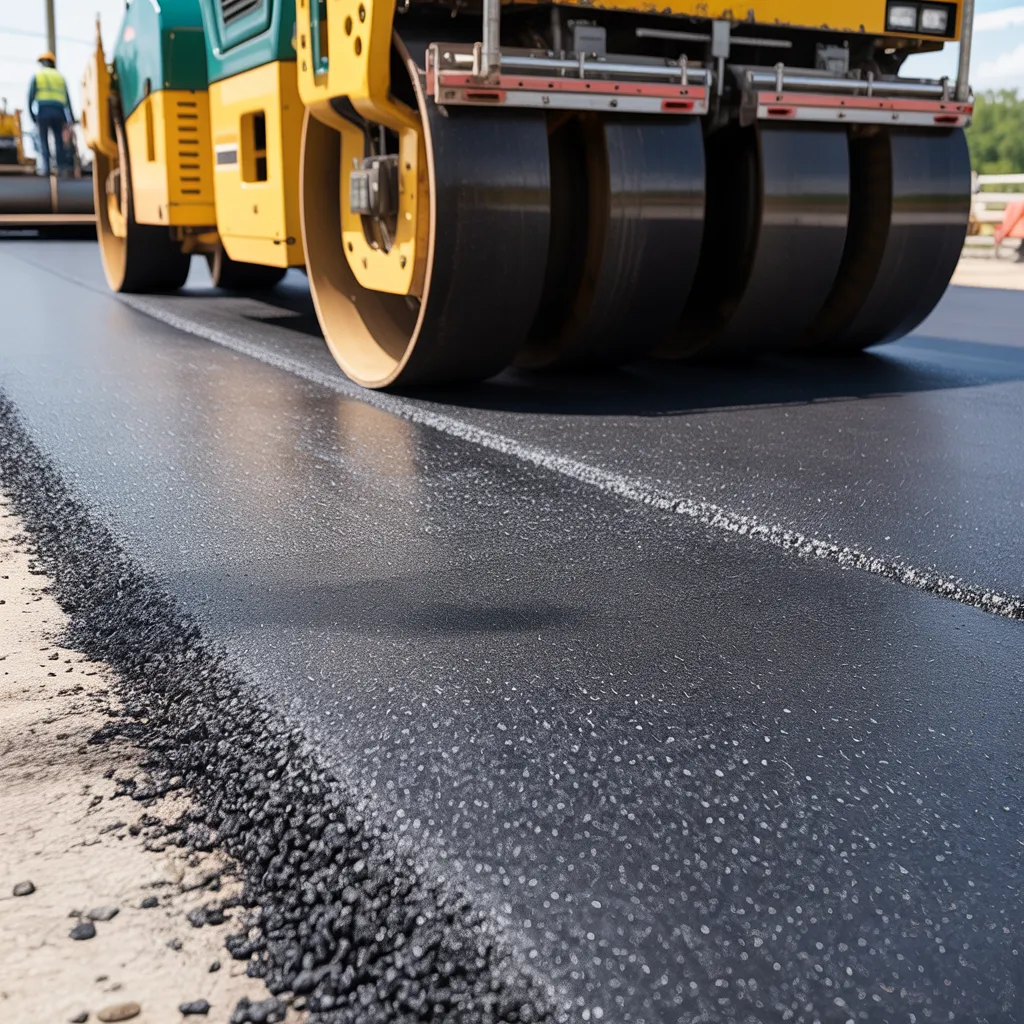
Recognizing the Value of Choosing a Skilled Asphalt Contractor
When planning a paving project, understanding the importance of hiring a quality asphalt contractor becomes crucial. A professional contractor not only secures the proper installation of asphalt but also contributes to the longevity and safety of the pavement. Quality materials and expert techniques are essential in preventing issues such as cracks and surface degradation. Furthermore, an seasoned contractor is likely to comply with industry standards, enhancing overall project efficiency.
Additionally, a qualified contractor will provide accurate estimates and timelines, allowing clients to organize their projects efficiently. Their knowledge can also assist in selecting the right materials designed for unique environmental requirements. Moreover, hiring a skilled contractor can foster clearer communication across all project phases, minimizing misunderstandings. At the end of the day, dedicating effort to finding the best asphalt contractor can yield considerable savings over time, guaranteeing a long-lasting and visually appealing pavement solution that satisfies the project's requirements.
Essential Qualities of a Reliable Asphalt Contractor
A reputable asphalt contractor displays several key qualities that distinguish them from the competition. For starters, they carry extensive industry experience, which demonstrates their skill to tackle various projects with confidence. This experience often leads to premium quality results and a thorough familiarity with relevant materials and approaches.
In addition, a reliable contractor prioritizes effective communication, making certain that clients are informed throughout the entire project. They offer detailed estimates, timelines, and are available for addressing any inquiries or issues.
In addition, a focus on superior materials is vital; established contractors procure premium-grade asphalt and associated materials to provide long-lasting results. They additionally comply with safety guidelines and regulations, safeguarding both their personnel and the property of their clients.
Finally, a solid track record, supported by favorable reviews and client testimonials, further indicates the reliability of a contractor. These attributes collectively contribute to making a knowledgeable selection when choosing the ideal asphalt contractor for asphalt pavement solutions.
How to Find Qualified Asphalt Contractors
Finding qualified asphalt contractors demands thorough assessment of their qualifications and expertise. It is important to seek references and review their completed projects to confirm high-quality results. By adhering to these guidelines, property owners can choose a contractor with confidence.
Validate Credentials And Experience
Confirming credentials and experience is vital for hiring a competent asphalt contractor. Prospective clients should begin by checking if the contractor holds the necessary licenses and certifications required by local and state regulations. This confirms that the contractor operates in accordance with industry standards and procedures. Additionally, reviewing the contractor's experience in various asphalt projects can provide insights into their expertise and reliability. Contractors who have demonstrated consistent success in past projects are typically more capable of managing difficulties that might emerge during the work. Besides, requesting information about specialized certifications or continued professional development in asphalt technology can reflect a contractor's devotion to maintaining high work standards. Ultimately, careful verification supports making a knowledgeable decision, lowering the risks connected with paving projects.
Ask About References
After confirming the contractor's certifications and track record, the subsequent step entails asking about referrals. This vital approach allows future clients to gauge the contractor's reliability and quality of work. A trustworthy asphalt contractor should willingly offer a list of prior customers who can attest to their services. It is strongly suggested to reach out to these references personally to inquire about their experiences, focusing on aspects such as timeliness, professionalism, and overall satisfaction. Asking specific questions can yield valuable insights, helping to establish whether the contractor meets the project's needs. In addition, reviewing online ratings and testimonials can better support the evaluation process. Conclusively, thorough reference checks contribute to selecting a qualified contractor for ideal pavement solutions.
Evaluate Previous Projects
What is the best way to evaluate an asphalt contractor's skills and expertise? Evaluating previous projects is essential in this assessment. Potential clients should request to see a portfolio showcasing completed jobs, revealing the contractor's skill level and commitment to excellence. Reviewing different categories of work, including residential driveways and commercial parking areas, offers valuable perspective on their range of expertise and adaptability. An on-site inspection of finished projects, where possible, enables a direct assessment of the pavement's condition and durability. Furthermore, gathering feedback from previous clients regarding the contractor's work offers meaningful details about their consistency and overall professionalism. In the end, a comprehensive review of past projects supports a well-informed choice when selecting an asphalt contractor.
Key Questions to Ask Your Asphalt Contractor?
When selecting an asphalt professional, it is essential to pose specific questions that reveal their experience and qualifications. Additionally, understanding the projected timeline and costs can help ensure the project meets the desired outcomes. Discussing these essential factors can lead to a well-considered selection and a more efficient installation experience.
Experience and Qualifications
Selecting an asphalt contractor requires careful assessment of their expertise and credentials. Those seeking services should ask about the contractor's years in the industry, as extensive experience often correlates with consistent quality results. Furthermore, learning about the types of projects previously completed can provide insight into the contractor's expertise. Clients should also ask about any certifications or training the contractor or their crew has completed, as these professional achievements can elevate the standard of work delivered. Seeking testimonials from former clients can additionally confirm the contractor's trustworthiness and standing. Ultimately, a contractor with a proven track record of accomplished work and pleased clientele is more likely to deliver high-quality asphalt solutions tailored to specific needs.
Project Duration and Pricing
Grasping the project schedule and related expenses is crucial for clients seeking asphalt services. To establish clarity, clients should request information on the estimated duration of the project, including likely interruptions due to weather or material availability. Additionally, it is necessary to seek a thorough itemization of costs, including labor, materials, and any extra charges. Clients should also discuss payment schedules and the contractor's policy on unforeseen expenses. By understanding these factors, clients can better assess the worth of the services provided and make informed decisions. Moreover, developing clear communication about costs and timelines builds confidence between clients and contractors, ultimately leading to a smoother project experience.
A Guide to Asphalt Estimates
How can one effectively interpret an asphalt estimate? Being familiar with the parts of an estimate is key to making educated decisions. Typically, an asphalt estimate outlines material costs, labor expenses, and additional charges such as equipment rental and site preparation. All items should be explicitly detailed, making it simple to compare estimates from multiple contractors.
A comprehensive quote includes information about the type of asphalt, layer thickness, and any required preparations, such as grading or drainage solutions. This transparency enables customers evaluate the quality of materials proposed and the thoroughness of the contractor's approach.
Furthermore, it is important to consider the expected duration for project completion, as delays can lead to unexpected expenses. Clients should also inquire about warranties or guarantees provided with the estimate, as these can reflect the service provider's assurance in their quality. All things considered, a well-structured estimate serves as a fundamental instrument for reviewing prospective asphalt professionals efficiently.
Spotting Red Flags in Asphalt Contractors
What signs should one look for when assessing asphalt contractors? A number of warning signs may point to problems when selecting a contractor. As an initial consideration, the absence of a physical business address or a professional website may indicate instability or a lack of experience. Moreover, when a contractor hesitates to offer references or prior project samples, proceeding with caution is recommended.
A further issue emerges when a contractor insists on complete payment in advance, as this may signal a lack of reliability. Furthermore, unclear or indefinite quotes may suggest hidden costs that could cause the budget to balloon.
Ultimately, undue urgency to execute a contract rapidly is a notable red flag; trustworthy contractors give clients adequate time to consider their options. By being vigilant about these warning signs, building owners can more confidently oversee the selection process and steer clear of potential problems in their asphalt undertakings.
Strategies for Communicating Effectively With Your Contractor
Developing effective communication is key for a strong working relationship with an asphalt contractor. Initially, clients should communicate their desired outcomes, timeframe, and financial parameters from the beginning. This clarity empowers the contractor to offer reliable projections and timelines. Frequent updates are crucial; clients should organize discussions to monitor progress and handle any problems. Sustaining transparent communication cultivates trust and confirms that both parties share the same vision.
Furthermore, clients ought to put all agreements and changes in written form, which helps avoid misunderstandings down the line. Employing visual tools, such as diagrams or photos, can help improve overall clarity. Clients will benefit greatly from asking questions and requesting clarification on technical terms or processes. A responsive contractor will appreciate this engagement and will be more likely to deliver quality results. Ultimately, open and effective communication paves the way for a more efficient project and a final result that fulfills the client's expectations.
Questions We Often Receive
What Types of Asphalt Services Do Contractors Typically Offer?
Contractors typically offer a variety of asphalt services, which include resurfacing, installation, repair, striping, and sealing. These offerings address a wide range of needs, ensuring proper maintenance and longevity of asphalt surfaces for residential and commercial properties.
How Long Does Asphalt Pavement Generally Last?
Asphalt pavement typically lasts 15 to 20 years, based on factors including environmental conditions, road usage, and maintenance habits. Consistent maintenance can prolong its service life, maintaining excellent performance and visual appeal for years to come.
Can Asphalt Be Paved Over an Existing Surface?
Yes, paving over existing asphalt is possible, provided the underlying surface is in good condition. Thorough preparation, such as cleaning and fixing cracks, is critical to ensuring the new layer adheres properly and stands the test of time.
How Do Weather Conditions Affect Asphalt Installation?
Weather plays a significant role in asphalt installation. Best results key resource occur when temperatures remain between 50°F and 90°F. Rain, extreme heat, or cold can hinder adhesion and curing, potentially leading to cracking or inadequate bonding, thereby compromising the overall pavement quality.
How Do I Keep My Asphalt Pavement in Good Condition?
To preserve asphalt surfaces in good condition, routine sealing, timely crack repairs, adequate drainage, frequent cleaning, and avoiding heavy loads are necessary. These practices enhance durability, prevent damage, and increase the lifespan of the pavement.